In Forbidden Lands, a journey may not only be a completed task, getting from A to B, but also an accomplishment on its own – if you add an element of challenge to it. And accomplishment feels fantastic! | Photo by Natalie Pedigo on Unsplash
I know I’ve written here and there about how the environment could be dangerous and why it is vital for me in a sandbox game. It puts pressure on the PCs to think and manage their resources. Today, I’d like to show you a few types of challenges that the players can encounter while on a journey in the Forbidden Lands. And I think that some may not be that obvious.
I dare say that Sub-Roman Britain is a perfect setting for a sandbox RPG. Standing stones, sacred groves, and deserted hillforts of the ancestral Britons wait to be re-discovered. Desolate cities and empty lavish Roman villas dot the landscape. And within them – artifacts of the past wait to be claimed. | Hadrian’s Wall by Sweetaholic on pixabay.com
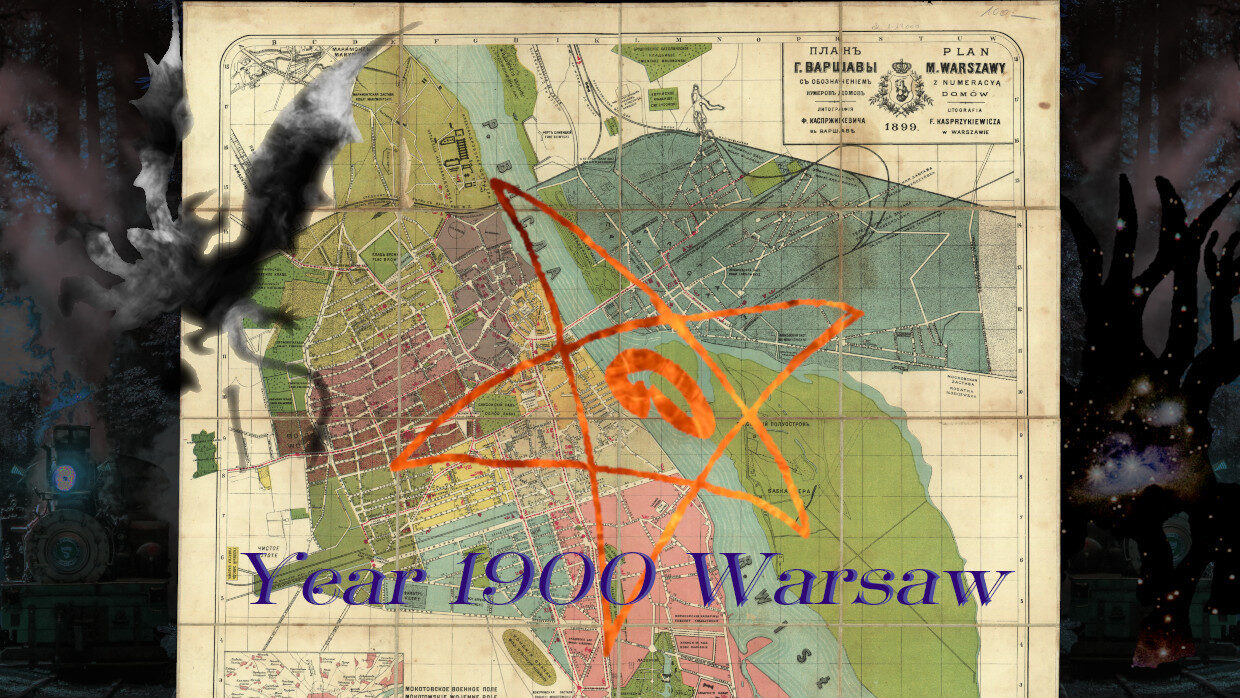
OK, that’s a bit of a daunting task, but I’ll face it. I’ve delivered a coup de grâce to my Year 1900 Warsaw Call of Cthulhu campaign. It won’t disappear without me sharing notes, scenarios’ overhauls, and setting material (which I will do at a good time), but a space appeared in my RPG calendar. Some of you who follow my newsletter know that I’ve started putting together a homebrew setting, but my group of ex-19th-century-Investigators decided to try something else. Namely, we’ll be role-playing in Sub-Roman Britain, i.e., somewhere after 410 A.D.
An RPG campaign that doesn’t work is a campaign that you won’t play. It may be a wonderful idea but if you’re not able to run it in real life, it may be more frustrating than rewarding.
If I only had read the Angry GM’s Dream Game Dilemma advice when I started running Call of Cthulhu set in the Tsar-occupied Warsaw of year 1900, things would’ve gone different. I’d probably haven’t started the campaign at all. But here I am, finally letting my nostalgia for this wonderful idea go. So, if you haven’t clicked the link above yet, read at least the line below – read and take it seriously. And if you’re curious how I’ve ended up admitting that my RPG campaign doesn’t work, keep on reading.
The campaign you will run is the campaign you are able to run, not the one you want to run.
The Angry GM, How to Start Starting a Campaign: Preplanning the Premise / Don’t Tell Me About Your Story
What speaks to me for Councils in TOR RPG is that they make social interaction a part of the game in its own right, like Combat or Journeys. | Photo by Florian Pinkert on Unsplash
Conversely to the journey rules in AiME and TOR RPG, I didn’t quite grasp the purpose and possibilities of integrating encounters (as the councils were named in 1st ed) into my game. I have to admit – I saw them as a bit of a stretch, an unnecessary complication. BUT – while they may be so if applied to most social interaction, they have an excellent potential for adding another layer to the session and making important non-combat scenes engaging. As my party of the Brown Lands campaign approached Meduseld for seeking Rohan’s help against bandit raiders, I felt pretty nervous about how it will play out.
If you can’t bring the game world to life, the story falls apart. And that is precisely what the Legends and Adventures generator does – it tells stories of the Forbidden Lands’ inhabitants and their pursuits. | Photo by Taylor Wilcox on Unsplash
If I haven’t run the Forbidden Lands campaign for 1,5 years, I wouldn’t think that the Legends and Adventures generator may lead me to create a full-blown module that I’ll publish. But here I am: Today, I describe how I put this great tool to work and what precisely this thin leaflet is capable of. Namely: creating setting-friendly stories on the fly that might yield you a complex plot for a whole campaign with little to no effort.
My group told me that the journey to Rohan was the most books-like episode of our Adventures in Middle-earth campaign. I hope to help you build a similar experience. | Photo by Stanislav Klimanskii on Unsplash
When I first read the journey rules included in Adventures in Middle-earth, I thought about why they are there. And what came to my mind was this: The journey in AiME is precisely what it is in J.R.R. Tolkien’s books – interaction with the rich background of the Middle-earth setting. That’s why they make the 5e edition, and the original The One Ring RPG stand out. Not many systems have the going from one point to another fleshed out like this. And most of those that do are more about exploration or survival, like in OSR sandboxes. But that’s not the case with TOR and AiME. Here, I’ll give you some more thoughts and tips on why and how to make the travel feel like in The Hobbit or The Lord of the Rings.
“It’s a dangerous business, Frodo, going out your door.”